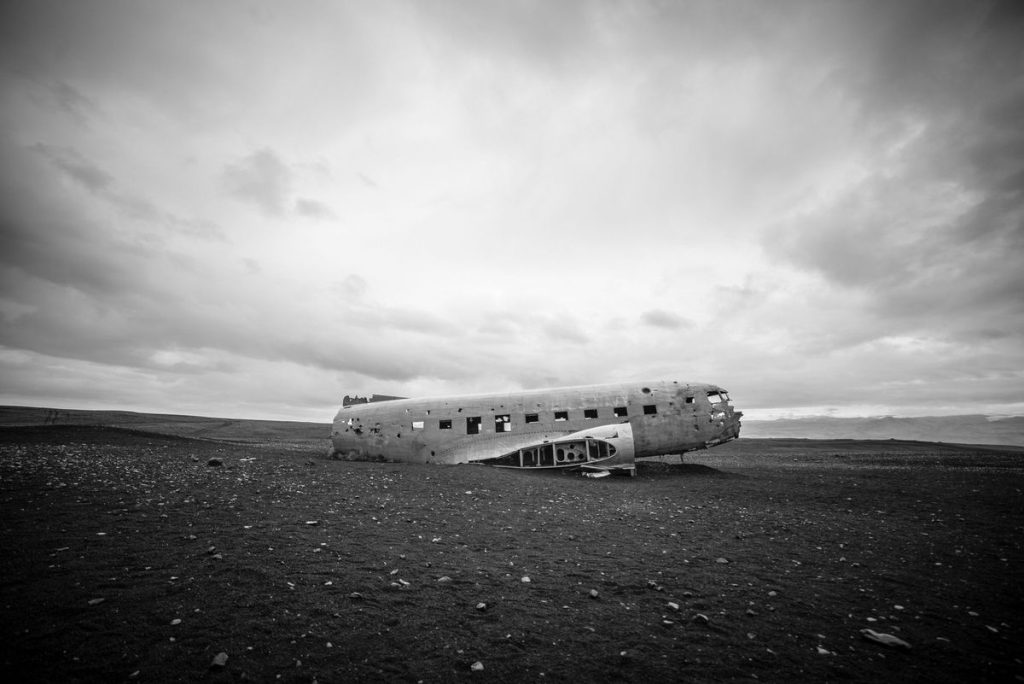
The wreckage of a Pan Am plane that tragically crashed in 1952, an event widely described as a critical “rallying cry” for global aviation safety, has reportedly been discovered near Puerto Rico. This significant find emerges 74 years after the original incident, marking a pivotal moment in understanding the history of air travel. According to a report by The Guardian, the identified wreckage corresponds to the 1952 Pan Am plane crash that profoundly “changed air safety” standards and practices across the industry.
The New York Times has also detailed this compelling discovery, confirming that the lost Pan Am Clipper Endeavor has now been found after remaining submerged for “over 70 years” at sea. Sky News further corroborates the importance of this historical discovery, emphasising how the crash itself became a crucial turning point, solidifying its legacy as a key impetus for advancements in aviation safety protocols.
Background
The crash, which occurred in 1952, involved the aircraft known as the Pan Am Clipper Endeavor, as specifically identified by The New York Times. While the intricate details surrounding the circumstances of the crash itself are not elaborated upon in the provided source material, its aftermath proved to be profoundly influential. Sky News distinctly characterises the incident as having evolved into a “rallying cry” for aviation safety. This phrase underscores the crash’s catalytic role in galvanising efforts to review and implement more stringent safety measures within the rapidly developing commercial aviation sector of the time. Complementing this, The Guardian explicitly states that the 1952 crash “changed air safety,” unequivocally asserting its fundamental impact on establishing the foundation for modern air travel security and operational procedures. This historical event therefore represents a critical juncture, highlighting the vital necessity for continuous evolution in safety regulations and technological advancements to safeguard air passengers and crew.
Discovery and Legacy
The recent discovery of the wreckage, located near Puerto Rico, brings a tangible connection to this historical tragedy after many decades. Although the provided source material does not specify the precise details of how the wreckage was located, or which entity was responsible for its identification, its confirmed presence holds immense significance for historical aviation research and understanding. The identification of the aircraft as the Pan Am Clipper Endeavor, as reported by The New York Times (https://www.nytimes.com/2026/07/21/us/pan-am-clipper-endeavor-wreckage-found.html), firmly places the discovery within a specific historical context. The fact that the wreckage has been positively identified 74 years after the crash, or “over 70 years” ago, as mentioned by The New York Times, offers researchers and historians an unprecedented opportunity. This finding serves as a stark and powerful reminder of the inherent risks and monumental challenges that were characteristic of early commercial aviation. Moreover, it underscores the persistent and vital pursuit of ever-improving safety standards that continues to define the industry today. The discovery could, in time, potentially yield further insights into the specific mechanical or environmental factors that contributed to the 1952 incident, although current reports do not elaborate on such possibilities. The Guardian’s coverage of the discovery (https://www.theguardian.com/world/2026/jul/22/wreckage-found-1952-pan-am-plane-crash-air-safety-puerto-rico) reiterates the deep historical resonance and far-reaching implications of this long-lost aircraft’s reappearance. Sky News further highlights that the wreck of the Pan Am plane was found 74 years after the crash that became a “rallying cry” for aviation safety (https://news.sky.com/story/wreck-of-pan-am-plane-found-74-years-after-crash-that-became-rallying-cry-for-aviation-safety-13565848). This underscores the lasting impact of the event on the collective memory of aviation safety advocates and regulators.
FAQ
- Q: What plane crash wreckage was recently found?
- A: The wreckage of a Pan Am plane that crashed in 1952 has been discovered.
- Q: Where was the wreckage found?
- A: The wreckage was found near Puerto Rico.
- Q: What was the significance of this crash?
- A: According to Sky News, the 1952 crash became a “rallying cry” for aviation safety, and The Guardian reports it “changed air safety” protocols.
- Q: What was the specific name of the plane involved in the 1952 crash?
- A: The plane was named the Pan Am Clipper Endeavor, as reported by The New York Times.
What this means for you
For residents of Oxford and Oxfordshire, and for the broader UK audience, the recent discovery of the 1952 Pan Am plane wreckage offers a compelling historical perspective on the evolution of modern air travel. This decades-old incident, and its new visibility, serves as a powerful reminder that the robust safety protocols now integral to every flight from a UK airport are the culmination of continuous learning from past tragedies. The sophisticated systems and rigorous checks in place today owe a debt to lessons gleaned from pivotal events such as the Pan Am Clipper Endeavor crash. This historical rediscovery underscores how significant past events continue to shape our present-day realities and future outlook. It exists alongside contemporary concerns, ranging from economic fluctuations, such as the news that UK Inflation Falls to 2.6% in June 2026, to global political dynamics, exemplified by reports of Students Defying Lockdown in Widespread Protests in Delhi. Even seemingly disparate local news items, like the coverage of Alloa Athletic vs Falkirk: Scottish League Cup, are part of the broader narrative of human endeavours. However, the universal pursuit of safety in aviation stands as a testament to collective memory and the enduring human drive for progress.