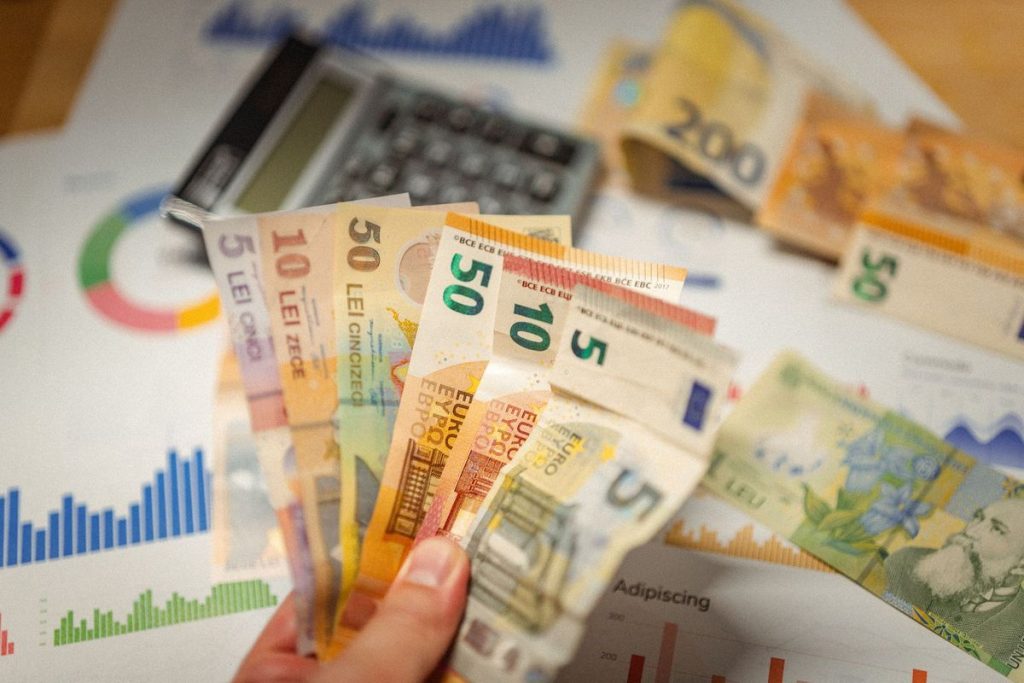
The UK has seen its inflation rate fall to 2.6% in June 2026, a development confirmed by various news organisations, including the BBC and Reuters. This slowdown in the pace of price increases marks a significant economic shift, with Reuters describing it as a “temporary boost for new PM Burnham.” Separately, City AM reported that the easing of inflation provides a “boost for Healey.” For residents and businesses in Oxford and Oxfordshire, this national trend carries potential implications for daily costs and the broader economic outlook.
Background
Inflation, broadly defined as the rate at which prices for goods and services are rising, has been a key concern across the UK. A fall in this rate, as observed in June 2026, indicates that while prices may still be increasing, they are doing so at a slower pace than before. This slowdown to 2.6% is a notable figure in the current economic landscape, suggesting a moderation in the upward pressure on consumer costs.
Main Developments and Economic Implications
The easing of inflation to 2.6% in June 2026, as reported by Reuters, is widely viewed as a positive signal for the UK economy. This slowdown, explicitly called a “temporary boost” for Prime Minister Burnham by Reuters, suggests a potential improvement in economic stability. Similarly, City AM highlighted that the easing of inflation provides a “boost for Healey,” underscoring the perceived political and economic benefits of this trend.
For households across the UK, including those in Oxford and Oxfordshire, a deceleration in the rate of price increases could potentially offer some relief from the pressures of the rising cost of living. While goods and services may not be getting cheaper, the rate at which their prices increase has slowed. This could lead to a more gradual stabilisation of household budgets over time, potentially easing the financial strain on families and individuals. The national picture of slowing inflation contributes to the broader financial climate that influences local purchasing power and future financial planning. It is a trend that runs parallel to international economic indicators, such as the reported easing of the US Inflation Rate to 3.5% in June.
Businesses operating throughout the UK, including the diverse range of enterprises in Oxford and Oxfordshire, could also experience a different operational environment. Slower-rising costs for essential inputs such as raw materials, energy, and labour, if this trend continues, could gradually alleviate some of the pressures on profit margins that many have faced. This might encourage greater confidence in investment decisions and foster conditions more conducive to growth across various sectors. The broader economic context of a more stable inflationary environment can foster greater confidence among consumers and investors alike, which is vital for sustained economic activity. This period of economic adjustment also aligns with the continued innovation seen in Global Startups 2025: Innovation Reshaping the Post-Pandemic Economy, suggesting a dynamic period for the global and local markets.
The latest figures from June 2026, which indicate inflation at 2.6%, offer a moment for reflection on the trajectory of the UK economy. While the path ahead may still present challenges, the move towards a lower inflation rate is often seen as a prerequisite for sustained economic recovery and stability.
FAQ
- Q: What is the current UK inflation rate?
A: The UK inflation rate fell to 2.6% in June 2026, according to reports from the BBC and Reuters. - Q: When did this inflation rate apply?
A: This inflation rate of 2.6% was recorded for June 2026. - Q: Who has benefited from this development?
A: The slowing of inflation has been described as a “temporary boost for new PM Burnham” by Reuters, and a “boost for Healey” according to City AM. - Q: What does “inflation slows” mean?
A: When inflation slows or eases, it means that while prices for goods and services may still be rising, they are doing so at a slower rate than previously.
What this means for you
For Oxford and Oxfordshire residents and businesses, the national slowdown in inflation to 2.6% in June 2026 presents a potentially more stable economic horizon. While the direct effects will unfold over time, a reduced pace of price increases could offer some breathing room for household budgets. Consumers might find that the rapid escalation of daily living costs begins to moderate, potentially making discretionary spending decisions, such as considering items highlighted in events like the Nordstrom Anniversary Sale Features Luxury Brands, less daunting in the future.
Local businesses, from independent shops in the city centre to larger employers across the county, could see a gradual easing of their operational costs. This might lead to greater predictability in planning and pricing, potentially fostering a more confident investment environment. However, it is important to remember that ‘slowing inflation’ does not mean prices are falling; it signifies that the rate of increase has decreased. The long-term impact on employment, wages, and consumer confidence within Oxford and Oxfordshire will depend on a multitude of factors, but this latest inflation data, as reported by the BBC and Reuters, provides a potentially more optimistic backdrop for the region’s economic future.