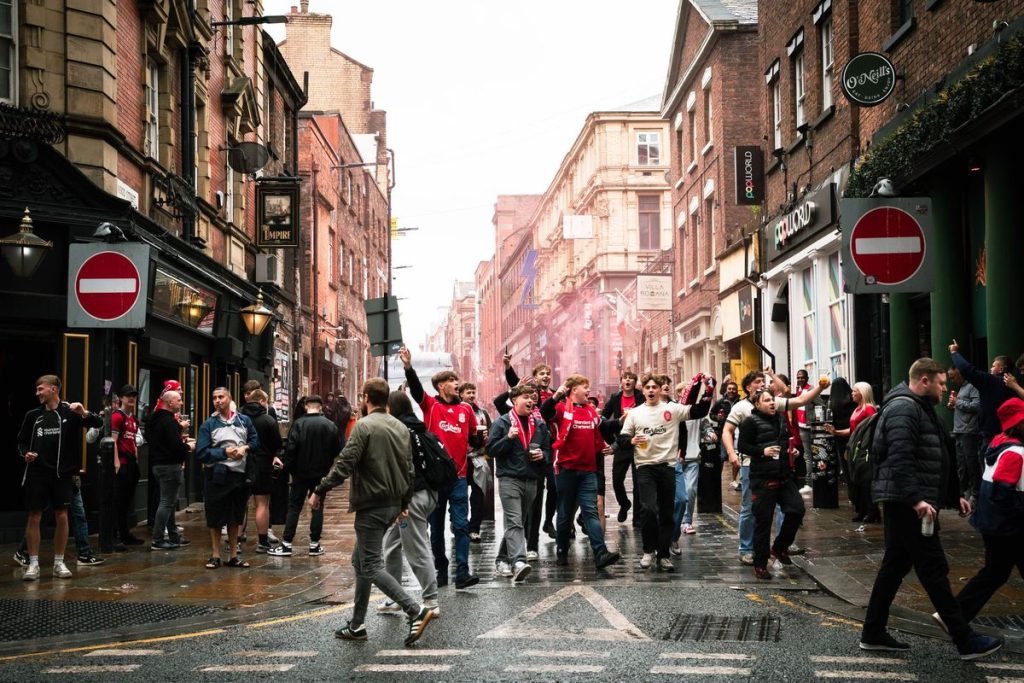
With England’s World Cup fixtures prompting late-night kick-offs, including an upcoming 1 am match, employers and employees across Oxford, Oxfordshire, and the wider UK are navigating potential workplace implications. Questions around taking time off, managing lateness, and employer flexibility are becoming prominent considerations as fans plan to watch the national team.
The unusual kick-off times, such as the 1 am start for England’s game, present a unique challenge for the working day that follows. While some employers may offer flexibility, the broader picture for businesses and their staff is a key point of discussion.
Background
The World Cup schedule often features matches at various times to accommodate international audiences. For fans in the UK, this can mean early morning kick-offs that directly precede the start of the working day. A specific warning was issued to South West football fans regarding an 1 am England kick-off, highlighting the potential disruption to typical work schedules.
The tournament itself continues to be a major global event, sometimes bringing its own set of challenges, as seen with ongoing discussions such as the FIFA sanction looming for Argentina despite World Cup win. For UK audiences, however, the immediate concern often revolves around balancing their enthusiasm for the sport with professional responsibilities.
Workplace Flexibility and Attendance
The question of employer flexibility has been brought to the forefront by these late-night fixtures. According to reports from the BBC, one employer has already shown a degree of understanding, telling employees they could ‘start work at 11’ the morning after the 1 am England match. This example prompts the wider question of ‘will other bosses be as flexible over England’s 1 am match?’
For many businesses, particularly those in the Oxford and Oxfordshire area that rely on consistent staffing, managing requests for altered hours or absences can be complex. Employers are weighing the benefits of staff morale against operational requirements. This situation is not unique to football; similar considerations might arise during other major sporting events, such as when Zachary Svajda is to feature in a July 2026 tennis match or during major rugby tournaments, as seen with Wales Rugby facing squad changes amidst WRU concerns.
Understanding Leave and Punctuality
For employees, the primary questions often revolve around their right to take time off or the repercussions of being late for work after a late-night match. The Guardian specifically asks, ‘Can I take the day off for England’s World Cup game – and what if I’m late for work?’
These questions underscore the need for clear communication between staff and management. While the excitement of supporting England is palpable, employees are encouraged to understand their company’s policies regarding annual leave, sickness absence, and punctuality. Unauthorised absence or persistent lateness could have professional consequences, making proactive discussions with employers essential.
FAQ
- Q: Can employees request the day off to watch an England World Cup game?
A: Employees can request annual leave, as they would for any other reason. The Guardian highlights this common question, suggesting it’s important for employees to follow their company’s standard procedures for leave requests, which may include giving sufficient notice. - Q: What are the implications of being late for work after a late-night match?
A: Being late for work without prior arrangement or a valid reason can have consequences, as raised by The Guardian. Employees are generally expected to adhere to their contracted working hours. It is advisable to communicate any potential lateness to your employer as soon as possible. - Q: Are employers obligated to offer flexibility, such as a later start time, after a 1 am kick-off?
A: While some employers, as reported by the BBC, have offered flexibility like an 11 am start, there is no general obligation for all employers to do so. The BBC questioned ‘will other bosses be as flexible,’ indicating this is at the discretion of individual companies and their policies. - Q: How can employees and employers best manage work schedules around World Cup matches?
A: Open communication is key. Employees should discuss their intentions with their employers in advance, whether it’s requesting leave or discussing potential flexible arrangements. Employers, in turn, can consider their operational needs alongside staff morale when formulating their approach.
What this means for you
For residents and businesses in Oxford, Oxfordshire, and across the UK, the upcoming England World Cup matches, particularly those with late kick-off times, necessitate careful planning and clear communication. Employees who wish to adjust their work schedules are encouraged to proactively engage with their employers to discuss options such as annual leave or flexible working arrangements, adhering to established company policies. Employers are prompted to consider the balance between supporting staff morale during a national sporting event and ensuring the smooth operation of their businesses. Maintaining transparent discussions about expectations for attendance and punctuality can help prevent misunderstandings and allow both parties to navigate the World Cup period effectively. The BBC’s discussion around whether ‘other bosses will be as flexible’ as the one who allowed an 11 am start underscores the varied approaches businesses may take, making individual communication paramount.