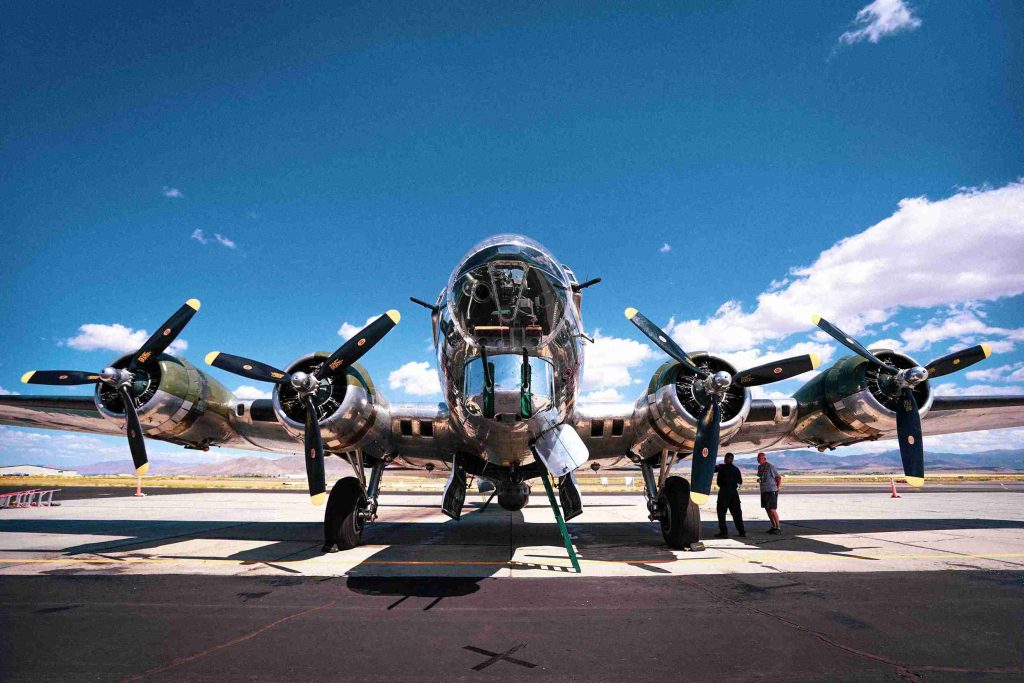
US military aircraft in the UK are a regular and often highly visible presence in British airspace and on UK soil. From large transport planes to advanced fighter jets and surveillance aircraft, their operations frequently attract public attention and media coverage. This presence is not random or temporary; it is rooted in decades of military cooperation, strategic planning, and shared security interests between the United States and the United Kingdom.
Historical Background of US Military Presence in the UK
The presence of US military aircraft in the UK dates back to the Second World War, when American forces used British airfields as key bases for operations in Europe. During that period, the UK’s geographic position made it an ideal launch point for missions across the continent.
Following the war, the relationship evolved rather than diminished. The Cold War reinforced the strategic importance of the UK as a forward operating location for US forces. American aircraft stationed in Britain played a critical role in deterrence strategies and NATO defense planning, a role that continues today.
Why US Military Aircraft Operate in the UK
The primary reason US military aircraft operate in the UK is strategic geography. The UK sits at a crucial crossroads between North America, Europe, the Arctic, and the Middle East. This makes it an ideal hub for rapid deployment, refueling, logistics, and intelligence operations.
Another key reason is the close defense partnership between the US and the UK. Both countries are founding members of NATO and maintain deeply integrated military structures. Shared intelligence, joint training exercises, and combined operations require frequent aircraft movement and coordination.
Key UK Bases Used by US Military Aircraft
Several UK bases are routinely used by US military aircraft. RAF Lakenheath is one of the most well-known, hosting US Air Force fighter squadrons and advanced aircraft. RAF Mildenhall supports refueling, transport, and special operations missions, making it a vital logistics hub.
RAF Fairford is another important base, often used by US strategic bombers during deployments and exercises. These bases operate under agreements that allow US forces to work closely with the Royal Air Force while remaining under UK sovereignty.
Types of US Military Aircraft Seen in the UK
A wide range of US military aircraft operate in or transit through the UK. These include fighter jets such as the F-15 and F-35, transport aircraft like the C-17 Globemaster, and refueling planes such as the KC-135 and KC-46.
Surveillance and intelligence aircraft are also commonly observed. These aircraft support reconnaissance missions, maritime patrols, and joint intelligence operations. Strategic bombers, including the B-52, occasionally deploy to the UK as part of NATO exercises or deterrence missions.
Training Exercises and Joint Operations
One of the most visible reasons for US military aircraft activity in the UK is joint training exercises. These exercises are designed to improve interoperability between US and UK forces, ensuring they can operate seamlessly during real-world missions.
Exercises often involve complex scenarios, including air combat training, refueling operations, and coordination with ground and naval forces. These drills strengthen readiness and allow both nations to test new technologies and tactics in realistic environments.
NATO Commitments and European Security
US military aircraft in the UK also play a critical role in NATO’s collective defense strategy. The UK serves as a forward base for reinforcing Europe during periods of heightened tension. Aircraft stationed or deployed there can respond quickly to emerging threats.
In recent years, increased military activity has reflected broader concerns about European security. US aircraft deployments demonstrate commitment to NATO allies and act as a visible signal of deterrence, reassuring partner nations while discouraging potential aggression.
Public Interest and Flight Tracking
Public interest in US military aircraft UK operations has grown significantly due to online flight tracking tools and social media. People frequently notice unusual flight paths, repeated circling patterns, or aircraft types not commonly seen in civilian aviation.
While some missions remain classified, many flights are routine training, refueling, or transport operations. Increased transparency through public data has heightened awareness, sometimes leading to speculation, but most activity aligns with established defense cooperation.
Legal Framework and Sovereignty
Despite the presence of US military aircraft, all operations in the UK occur under legal agreements and with British government approval. Bases remain under UK sovereignty, and US forces operate according to bilateral agreements and international law.
The UK retains oversight and control, ensuring that activities align with national interests and security policies. This framework has allowed long-term cooperation while maintaining political and legal accountability.
Economic and Local Impact
US military aircraft operations contribute economically to local communities near bases. Employment opportunities, infrastructure investment, and local spending support regional economies. Many communities have developed long-standing relationships with US personnel stationed in the UK.
At the same time, concerns such as noise, environmental impact, and airspace congestion are managed through regulations and coordination with local authorities.
Future of US Military Aircraft in the UK
Looking ahead, the presence of US military aircraft in the UK is expected to continue. Advances in aircraft technology, evolving security challenges, and ongoing NATO commitments ensure that the UK remains a key strategic partner.
Modernization programs, including the deployment of next-generation aircraft, will likely increase cooperation rather than reduce it. The focus will remain on deterrence, rapid response, and collective defense.
Conclusion
US military aircraft in the UK are a visible symbol of one of the world’s closest defense partnerships. Rooted in history and shaped by modern security needs, their presence supports NATO, strengthens European defense, and enhances global stability. While their flights often spark curiosity, they represent long-standing cooperation built on shared values, strategic trust, and mutual security interests.