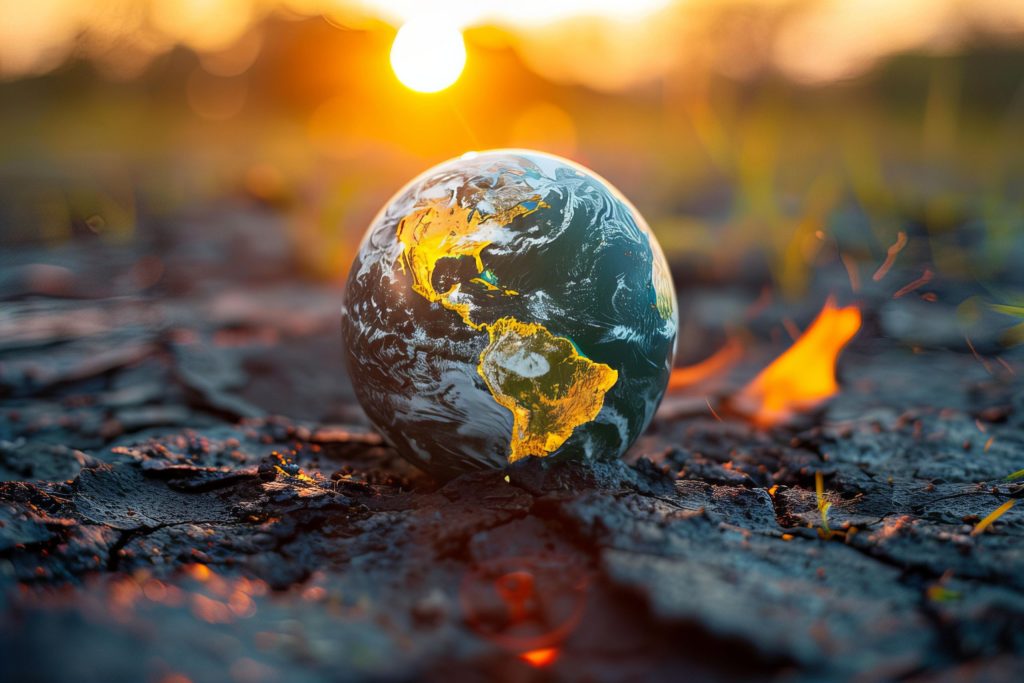
The planet continues to face mounting environmental challenges in 2025 as rising global temperatures threaten ecosystems and economies alike. According to the World Meteorological Organization, this year has recorded one of the hottest summers on record, with severe droughts, floods, and wildfires occurring across continents.
Governments are responding with bold initiatives to cut emissions and promote renewable energy. The European Union has doubled its investment in solar and wind energy, while the United States is enforcing stricter emission regulations on industries. Meanwhile, developing nations like India and Brazil are prioritizing reforestation projects to absorb carbon dioxide naturally.
Technological innovation is also playing a critical role in climate resilience. New carbon capture systems are being deployed in China and Canada to extract CO₂ directly from the air, a method scientists call “direct air capture.” Similarly, AI-driven climate monitoring systems are helping predict extreme weather events before they occur, minimizing damage to human life and property.
The private sector has joined the fight, with corporations pledging to reach net-zero emissions within the next decade. Automotive giants are expanding electric vehicle production, while food companies are investing in sustainable agriculture and plant-based products.
However, global cooperation remains a challenge. Political conflicts, economic disparities, and differing national interests often slow progress. Many environmental experts argue that unless countries share green technologies and funding, developing nations will struggle to meet climate goals.
On the brighter side, public awareness has never been higher. Social media campaigns, youth movements, and education programs are motivating individuals to adopt eco-friendly lifestyles. From reducing plastic waste to supporting ethical brands, consumers are making their voices heard.
2025 stands as a pivotal year in humanity’s response to climate change. The actions taken today will determine the future of our planet—and whether we can reverse the damage before it’s too late.