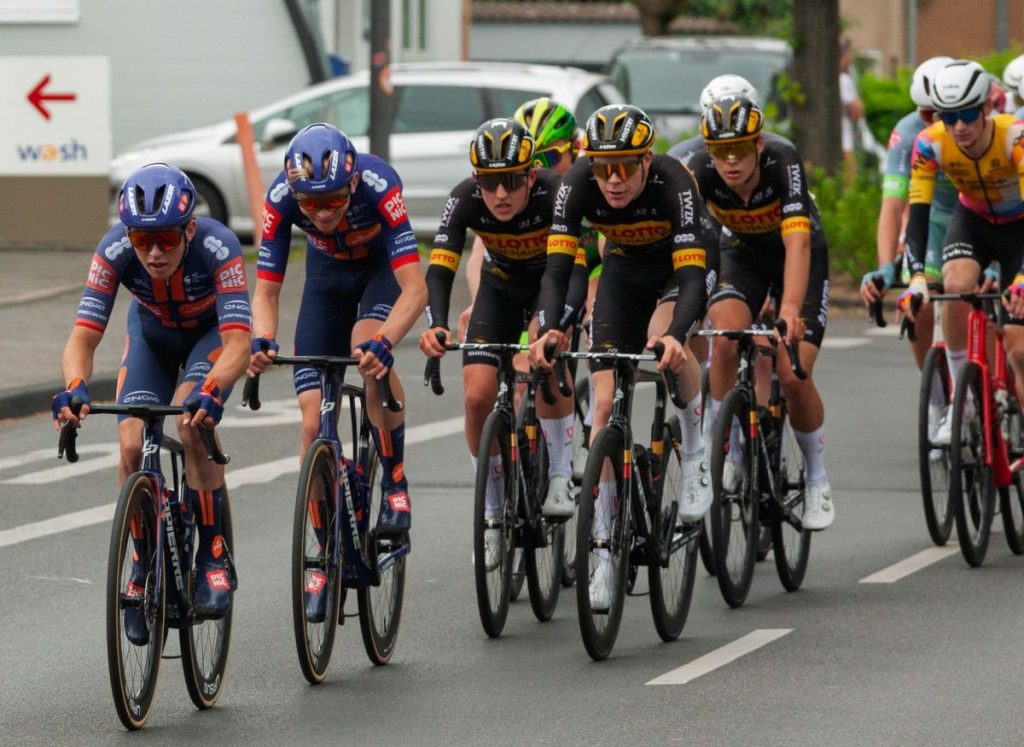
Mads Pedersen has secured a stage victory in the Tour de France, a development that coincided with Tadej Pogačar losing the yellow jersey. The shift in leadership marks a significant moment in the ongoing race, as reported by the BBC.
The change at the top of the general classification sees a new rider don the coveted yellow jersey, while Pogačar, a prominent figure in the race, transitions to a different role within the peloton. His reaction to losing the lead has offered insight into the pressures faced by athletes at the pinnacle of professional cycling.
Background
The Tour de France is one of the most prestigious and demanding events in the global sporting calendar, attracting millions of viewers worldwide. The yellow jersey, or Maillot Jaune, is awarded to the leader of the general classification and is a symbol of overall dominance in the race. Losing this jersey, especially for a rider of Pogačar’s calibre, often signals a strategic shift or a challenging day on the road.
Following the stage, Tadej Pogačar openly discussed the toll of leading the race. According to Road.cc, Pogačar expressed relief at the prospect of “less stress and less media” after relinquishing the lead. He described experiencing “a full headache” and anticipating a “long day,” suggesting the immense pressure he had been under while holding the yellow jersey.
Pedersen’s Stage Victory
Mads Pedersen’s win was a notable achievement in the Tour de France. His performance ensured a stage victory that garnered attention across the cycling world. The success was also highlighted by Escape Collective, which noted that “Lidl-Trek wrapped a present for themselves,” acknowledging the team’s strategic execution and the significance of the win.
Pedersen’s victory underscored the competitive nature of the Tour, where opportunities for stage wins are highly prized and hard-fought. This particular win contributed to the dynamic narrative of the race, leading to a change in the overall leadership.
Pogačar’s Perspective on Leadership Change
Tadej Pogačar’s comments after losing the yellow jersey offered a candid look into the mental and physical demands of leading the Tour de France. As reported by Road.cc, Pogačar stated, “I had a full headache and thought this is going to be a long day.” This immediate reaction provides a glimpse into the physical discomfort and the mental preparation required to endure a challenging stage.
Beyond the immediate physical sensation, Pogačar also spoke about the psychological relief that came with no longer wearing the yellow jersey. He was “looking forward to less stress and less media,” suggesting that while the yellow jersey is a prestigious honour, it also carries a significant burden of responsibilities beyond the racing itself, including extensive media commitments and constant scrutiny.
FAQ
-
Q: Who recently won a stage in the Tour de France?
A: Mads Pedersen secured a stage victory in the Tour de France, as reported by the BBC.
-
Q: What happened to Tadej Pogačar’s yellow jersey?
A: Tadej Pogačar lost the yellow jersey during the recent stage where Mads Pedersen claimed victory, according to the BBC.
-
Q: How did Tadej Pogačar react to losing the lead?
A: Tadej Pogačar expressed that he had “a full headache and thought this is going to be a long day” and was “looking forward to less stress and less media” after losing the yellow jersey, as stated by Road.cc.
-
Q: Which team was mentioned in connection with Mads Pedersen’s win?
A: Escape Collective mentioned that “Lidl-Trek wrapped a present for themselves” in connection with Mads Pedersen’s stage victory.
What this means for you
For readers in Oxford and Oxfordshire, and indeed across the UK, the developments in the Tour de France represent a key moment in one of the world’s most watched sporting events. The Tour, with its blend of athletic endurance, strategic racing, and dramatic turns, consistently captures the imagination of sports enthusiasts. The loss of the yellow jersey by a leading contender and the emergence of a new stage winner add layers of excitement and unpredictability to the race narrative, keeping audiences engaged day by day.
Major international events like the Tour de France often draw parallels with other high-stakes competitions that feature global participation and national pride. For example, the progression of national teams in significant tournaments, such as when France Progresses in World Cup Amidst Delay, demonstrates the widespread appeal of sporting narratives that unfold on an international stage. These events provide not just entertainment, but also a shared cultural experience that transcends local boundaries, bringing communities together through a common interest in athletic achievement and competitive spirit.
Whether you follow cycling closely or simply enjoy the spectacle of elite sports, the Tour de France continues to offer compelling storylines. The shift in the yellow jersey leadership highlights the intense competition and the sheer mental and physical fortitude required to compete at the highest level, providing inspiration and talking points for sports fans across the country.