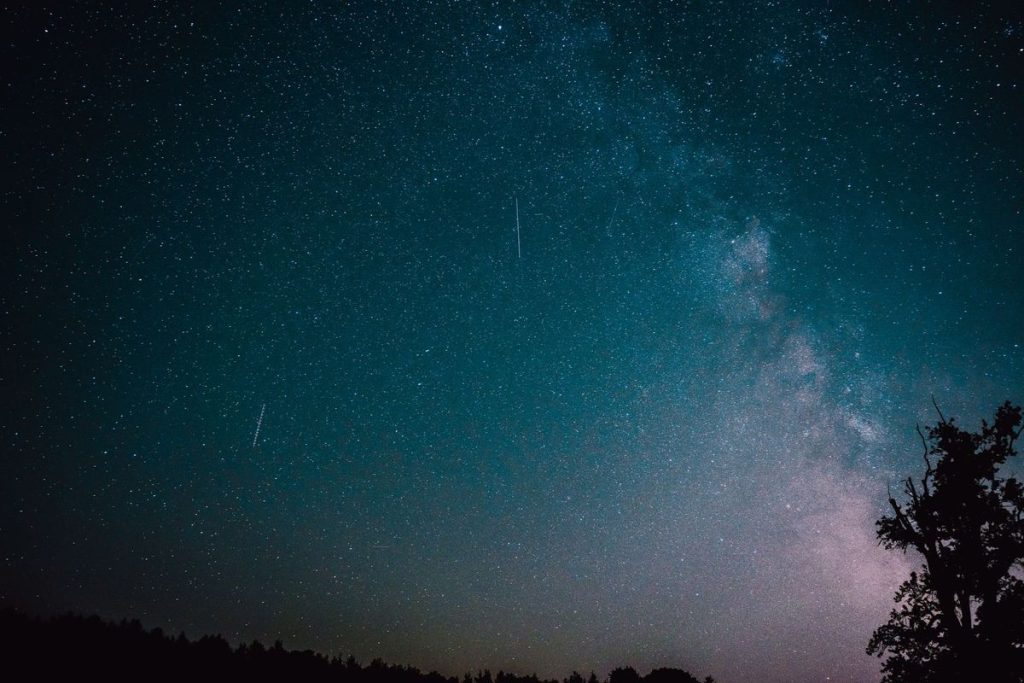
Oxford and Oxfordshire residents are encouraged to look skyward this week as two significant meteor showers, the Delta Aquariids and the intensifying Perseids, are set to reach their peak. The region, with its potential for clear skies and accessible dark-sky locations, offers prime viewing opportunities for this celestial display, according to reports highlighting the upcoming activity.
Sky-gazers across the UK, including those in and around Oxford, can anticipate a “double meteor shower peak this week,” as reported by CNN. This unique confluence of events promises a spectacular show for those willing to venture out and witness it.
Background
The week of July 25-31, 2026, marks a period of heightened meteor activity, with two distinct showers reaching their zenith. The American Meteor Society’s “Meteor Activity Outlook for July 25-31, 2026,” confirms this timeframe for optimal observation. This period is particularly notable because it features both the established Delta Aquariids and the rapidly intensifying Perseids, setting the stage for a memorable astronomical event.
Meteor showers occur when Earth passes through streams of cosmic debris left by comets and asteroids. As these small particles enter Earth’s atmosphere, they burn up, creating streaks of light across the night sky. The upcoming week provides an excellent chance to observe this natural phenomenon.
Peak Viewing Opportunities
The primary viewing window for these meteor showers is “this week,” with activity specifically highlighted between July 25 and 31, 2026. While the Delta Aquariids are known for producing consistent, albeit often fainter, meteors, the Perseids are celebrated for their brightness and frequency, and are noted to be “intensifying” by sources such as Forbes. This means observers could see a varied display, ranging from subtle streakers to more brilliant fireballs.
For those in Oxford and Oxfordshire, finding a location away from city lights will significantly enhance the viewing experience. Clear, dark skies are crucial for observing meteors, allowing the fainter streaks to become visible against the backdrop of the night.
The Meteor Showers Explained
The Delta Aquariids meteor shower originates from the debris trail of Comet 96P/Machholz. It is typically active from mid-July to late August, with its peak occurring around the end of July. These meteors are often described as medium-speed and can be best seen in the late night and pre-dawn hours.
The Perseids, on the other hand, are one of the most famous and anticipated meteor showers of the year, known for their bright and numerous meteors. They are caused by the debris from Comet Swift-Tuttle. Although their peak is usually in mid-August, reports indicate that they are already “intensifying” this week, providing an earlier opportunity for observation alongside the Delta Aquariids. This early intensity contributes significantly to the “double meteor shower peak” phenomenon.
The combination of these two showers means that while one might produce a steady stream of meteors, the other could deliver more dramatic, brighter displays, creating a dynamic and engaging night for sky-gazers.
FAQ
- Q: When are the meteor showers peaking?
- A: Both meteor showers are set to peak this week, specifically between July 25-31, 2026, according to the American Meteor Society.
- Q: Which meteor showers can be observed?
- A: Sky-gazers can look forward to the Delta Aquariids and the intensifying Perseids.
- Q: What makes this a significant event?
- A: It’s being described as a “double meteor shower peak” where the Perseids will also intensify, according to CNN and Forbes.
What this means for you
For residents of Oxford and Oxfordshire, this week presents an exceptional chance to engage with a natural wonder. Planning an evening under the stars, away from urban light pollution, could offer a memorable experience. Check local weather forecasts for clear skies, and consider venturing into the more rural parts of Oxfordshire, where darker conditions are more prevalent, to maximise your viewing potential.
For the wider UK audience, the opportunity to witness a double meteor shower peak is equally significant. Whether you are in Oxford, elsewhere in the South East, or further afield, taking the time to observe the night sky could reward you with a spectacular display of meteors from both the Delta Aquariids and the intensifying Perseids. This rare alignment ensures that sky-gazers across the country have a unique astronomical event to anticipate.