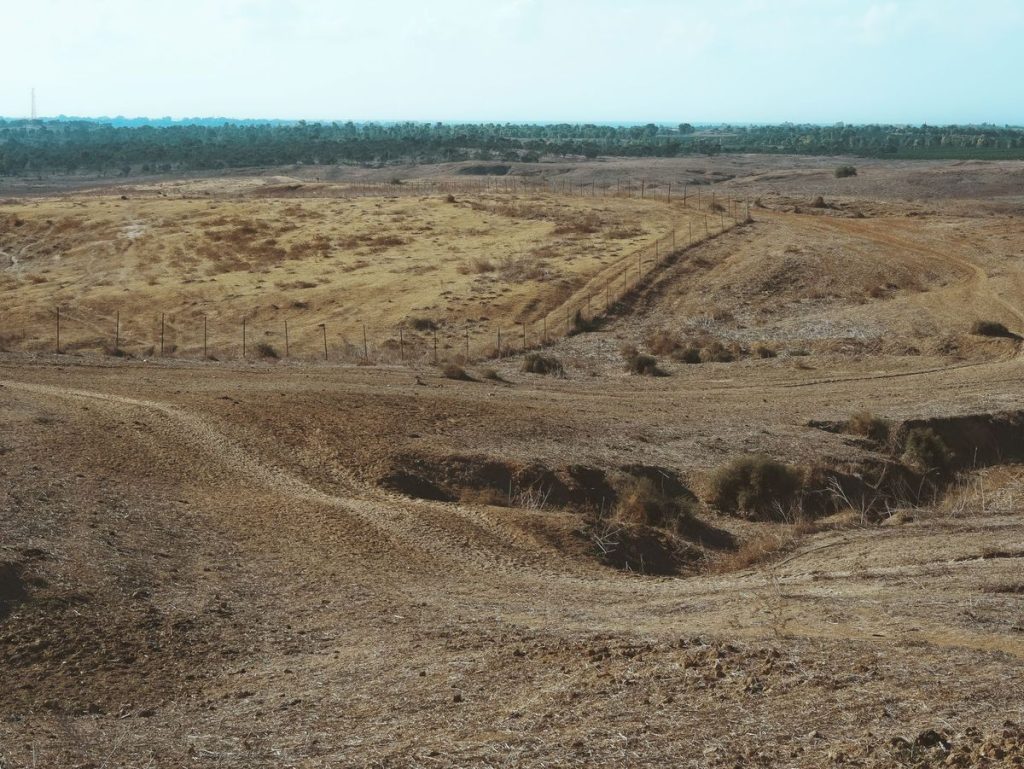
Recent heatwaves across the UK have led to significant archaeological discoveries, with lost sites and landscapes being revealed across Wales. This unprecedented exposure of previously hidden historical features has been described as an “archaeology breakthrough” by some sources.
While the immediate focus of these revelations is in Wales, the discoveries prompt questions about what similar conditions might unveil in other historically rich regions of the UK, including Oxfordshire.
Background
The recent uncovering of archaeological sites is a direct result of ongoing climatic conditions. According to BBC News, recent “heatwaves” have been instrumental in revealing “lost archaeological sites across Wales.” This sentiment is echoed by HeritageDaily, which also reported on the heatwave revealing “lost Welsh landscapes.”
These revelations represent a significant moment for archaeology, providing a new understanding of previously hidden historical features. The phenomenon of heatwaves exposing such sites highlights a unique interaction between environmental conditions and the visibility of ancient human history.
Breakthrough Discoveries in Wales
The impact of the recent weather has been particularly pronounced in Wales. GB News reported an “archaeology breakthrough as back-to-back heatwaves expose breathtaking lost sites across Wales.” These findings offer new insights into the ancient history and previous inhabitants of the region, potentially reshaping understanding of early settlements and land use.
The “lost Welsh landscapes” and “lost archaeological sites” mentioned by HeritageDaily and BBC respectively, signify a wealth of previously unknown or poorly understood historical evidence. The sheer scale of what has been exposed by the heatwaves provides a rare window into the past, prompting excitement within the archaeological community about the potential for further discoveries.
FAQ
- Q: What types of sites have been revealed by the heatwave?
- A: The heatwave has revealed “lost archaeological sites” and “lost Welsh landscapes” across Wales, according to BBC and HeritageDaily.
- Q: What caused these sites to become visible?
- A: The sites were exposed by “heatwaves,” specifically “back-to-back heatwaves,” as reported by GB News.
- Q: Where have these discoveries primarily occurred?
- A: These significant archaeological findings have been made “across Wales.”
- Q: What is the significance of these revelations?
- A: The discoveries represent an “archaeology breakthrough” and have exposed “breathtaking lost sites,” according to GB News.
What this means for you
For readers in Oxford and Oxfordshire, these developments highlight the immense potential for historical discoveries closer to home. Oxfordshire, with its own deep and varied history stretching back millennia, could similarly hold secrets beneath its parched fields.
While specific new Oxfordshire sites have not been reported in connection with the recent heatwaves, the Welsh experience serves as a powerful reminder of how environmental conditions can temporarily bring ancient history to the surface. It encourages a new perspective on the familiar landscape, suggesting that hidden stories might lie just below the ground, waiting for the right conditions to be revealed.
The ongoing impact of climate patterns on archaeological visibility could mean that more such ‘ghosts’ of the past emerge in the coming years, offering invaluable opportunities for research and understanding of our shared heritage across the UK.