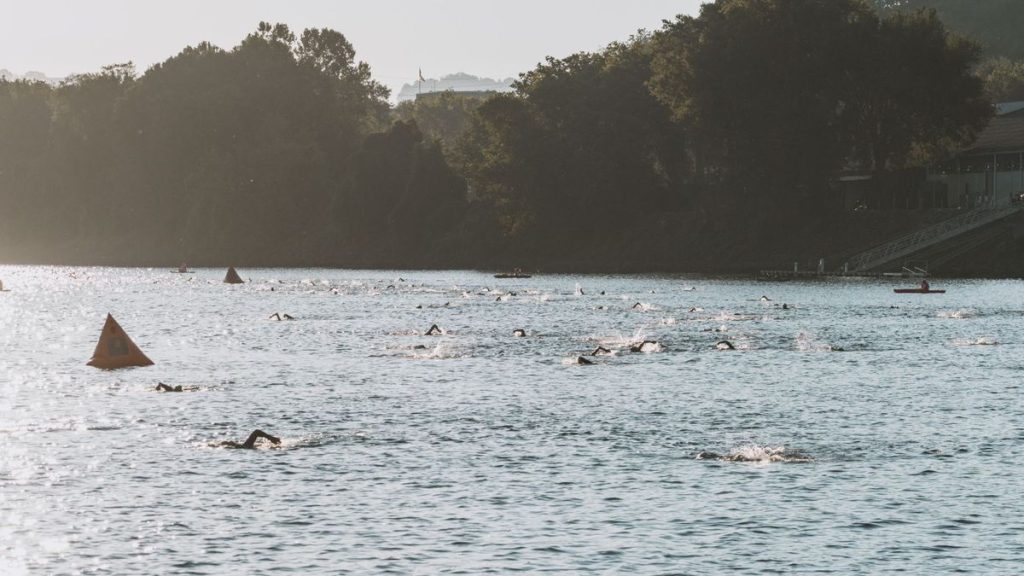
Open-water swimming is set to become a recognised right in Belgian Flanders, with the new measure expected to be fully implemented by 1st June 2027 at the latest. This progressive step will grant individuals the freedom to swim in designated rivers, lakes, and ponds across the region, subject to common sense guidelines.
The move has been praised by an association, according to BruxellesToday, which highlighted the Flemish example whilst simultaneously calling on the Brussels region to follow suit in establishing similar provisions for its residents. The initiative aims to enhance public access to natural water bodies for recreational purposes.
Background
The decision to formalise open-water swimming as a right in Flanders signals a significant shift in environmental and public access policies within the region. Currently, access to many natural water bodies for swimming can be restricted or unclear. This development seeks to clarify and broaden these opportunities, fostering a greater connection between residents and their natural surroundings.
This initiative focuses on promoting responsible use of natural environments. While the right to swim will be established, the emphasis remains on individuals exercising “common sense” when engaging in such activities. This approach, as highlighted by La Voix du Nord, underscores the importance of personal responsibility in enjoying rivers, lakes, and ponds.
Establishing the Right to Swim
According to RTBF, the right to swim in open waters within Flanders will be firmly in place no later than 1st June 2027. This deadline provides a clear timeframe for the necessary legal and practical frameworks to be established, ensuring that the new provisions are implemented effectively and safely. The legislation is expected to encompass a range of natural water bodies, including rivers, lakes, and ponds, thereby expanding recreational options for the public.
The implementation will transform how residents and visitors interact with the region’s diverse aquatic landscapes. It signifies a forward-thinking approach to public health and wellbeing, recognising the benefits of outdoor activity and access to nature. The focus on establishing this as a right rather than merely permitting it, offers a strong legal foundation for future generations of open-water swimmers in Flanders.
Brussels Urged to Follow Flemish Example
The pioneering stance taken by Flanders has not gone unnoticed by neighbouring regions. An association, as reported by BruxellesToday, has commended the Flemish initiative, perceiving it as a commendable model for wider adoption. This association has specifically called on the Brussels region to consider implementing similar policies, thereby extending the right to open-water swimming to its own populace.
The call for Brussels to emulate Flanders underscores a growing desire for greater access to natural swimming environments across Belgium. Such initiatives can promote healthier lifestyles and offer accessible recreational opportunities, particularly as urban populations seek more green and blue spaces. The success of the Flemish model could indeed pave the way for broader environmental and public access reforms throughout the country.
Frequently Asked Questions
-
Q: What significant change is coming to open-water swimming in Flanders?
A: Open-water swimming will become a formal right for individuals in Belgian Flanders, allowing access to designated rivers, lakes, and ponds.
-
Q: When will this new right take effect?
A: The right to open-water swimming in Flanders will be in place by 1st June 2027 at the latest, as reported by RTBF.
-
Q: What types of water bodies are included?
A: The new right will apply to rivers, lakes, and ponds, according to information from La Voix du Nord.
-
Q: What is the general sentiment regarding this change?
A: There is an emphasis on exercising “common sense” by individuals, as highlighted by sources like La Voix du Nord, alongside praise from associations for the Flemish example.
What this means for you
For readers in Oxford, Oxfordshire, and across the UK, the developments in Belgian Flanders offer an interesting point of comparison regarding public access to natural environments. While specific regulations and traditions around open-water swimming vary significantly by country and even within regions of the UK, Flanders’ decision to establish a formal ‘right’ to swim highlights a proactive approach to integrating natural recreation into public policy.
This news from continental Europe might prompt discussions locally about the future of access to rivers, lakes, and other open-water spaces. While there’s no direct impact on UK law or policy, the Flemish model serves as an example of how authorities in other nations are approaching the balance between environmental protection, public safety, and the growing demand for outdoor recreational activities. It underscores the potential for thoughtful policy to enhance community wellbeing and connect people with nature.