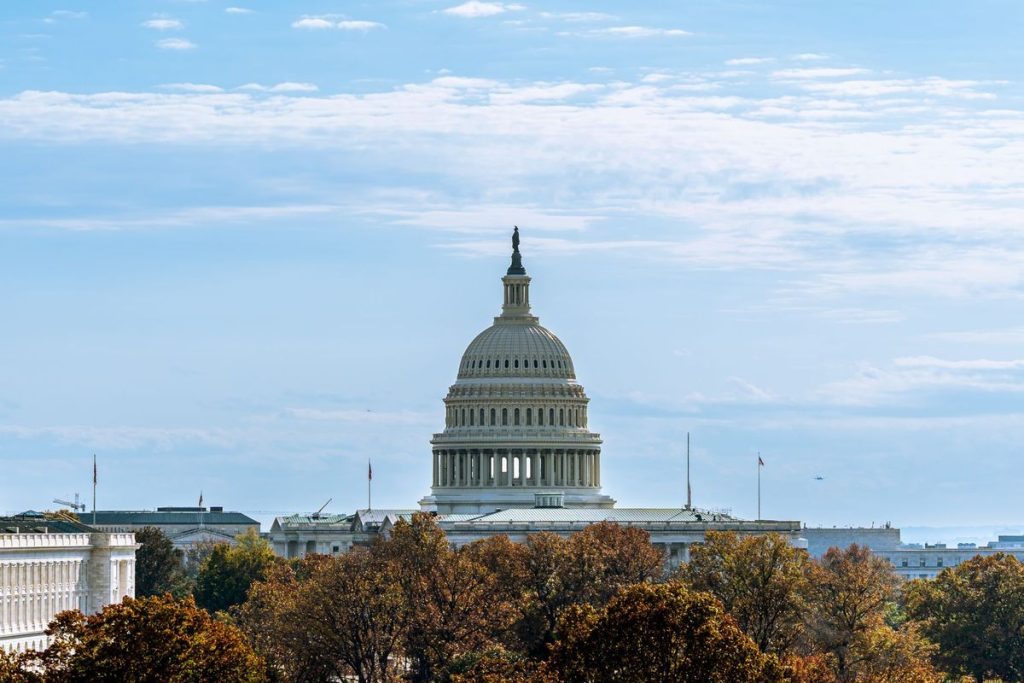
In a significant development for timekeeping, the United States Congress has advanced legislation aimed at making Daylight Saving Time permanent across the nation. The move, which has seen a bill pass the US House of Representatives, reflects a growing sentiment among some American citizens who are reportedly “tired of the clock change,” according to reports from The Guardian.
This legislative push, spearheaded by a bill known as the “Sunshine Protection Act,” represents a notable shift in the long-standing practice of adjusting clocks twice a year. While these developments are specific to the United States, they highlight ongoing international discussions about the merits and drawbacks of Daylight Saving Time.
Background
Daylight Saving Time (DST) involves advancing clocks during warmer months so that darkness falls later in the evening. This practice, initially conceived to make better use of daylight and conserve energy, has been a feature of life in many countries for decades. However, the bi-annual adjustment of clocks, often referred to as “springing forward” and “falling back,” has increasingly become a subject of debate.
In the US, the discussion around DST has intensified, leading to legislative action. The BBC reported that the US Congress has taken “the next step” towards making Daylight Saving Time permanent, indicating a serious consideration of altering the country’s approach to time setting permanently.
US House Passes “Sunshine Protection Act”
The “Sunshine Protection Act” has garnered considerable attention as it makes its way through the US legislative process. NBC News reported that the House of Representatives has passed this bill, which is also described as “Trump-backed.” The legislation seeks to eliminate the need for seasonal clock changes by establishing Daylight Saving Time as the year-round standard.
According to The Guardian, a House committee advanced the bill on July 14, 2026, marking a pivotal moment in the legislative journey. Proponents argue that a permanent shift could reduce energy consumption, boost economic activity, and improve public health outcomes by eliminating the disruptions caused by switching between standard and daylight time. The sentiment that “Americans are tired of the clock change” has been cited as a key motivator behind the push for permanent Daylight Saving Time.
You can read more about these developments in the US via the BBC’s coverage of the US Congress’s actions and The Guardian’s report on the bill passing the US House vote.
Frequently Asked Questions
-
Q: What is Daylight Saving Time?
A: Daylight Saving Time (DST) is the practice of advancing clocks during part of the year, typically by one hour, so that evenings have more daylight and mornings have less. The primary goal is to make better use of natural daylight. -
Q: What is the “Sunshine Protection Act”?
A: The “Sunshine Protection Act” is a specific piece of legislation in the United States Congress. As reported by NBC News, this bill was passed by the US House and aims to make Daylight Saving Time permanent, ending the practice of changing clocks twice a year. -
Q: Has permanent Daylight Saving Time been implemented in the US?
A: While the “Sunshine Protection Act” has passed the US House of Representatives, as reported by The Guardian and NBC News, the legislative process involves further steps before it can be enacted into law across the United States. -
Q: Does this US legislation affect clock changes in the UK?
A: No, these specific legislative efforts by the US Congress, such as the “Sunshine Protection Act,” pertain solely to the United States. The United Kingdom operates its own independent system for observing Daylight Saving Time, and these US developments do not directly impact when clocks change in the UK.
What This Means for Oxford and UK Readers
For residents of Oxford, Oxfordshire, and indeed the wider United Kingdom, the discussions and legislative actions concerning Daylight Saving Time in the US represent a significant piece of international news. While the UK also observes its own form of Daylight Saving, often referred to as British Summer Time, the moves by the US Congress to make DST permanent are distinct to American policy.
The UK has its own established system for clock changes, and the current US legislative efforts, including the “Sunshine Protection Act,” do not alter the schedule or practice for UK citizens. Therefore, UK residents will continue to follow the existing national guidance for adjusting their clocks when the time comes. Understanding how different nations approach timekeeping, especially concerning Daylight Saving, highlights the varied global perspectives on this topic. For more context on how different regions manage their time, including considerations around time zones and Daylight Saving, you might find our article Time in New York Explained: Current Time Zone, Daylight Saving, and Why It Matters insightful.
The debate in the US, where “Americans are tired of the clock change,” offers an interesting comparison to ongoing discussions in other countries about the utility and impact of seasonal time adjustments. While the UK maintains its current system, developments like these underscore the international conversation around time standardisation and its societal effects.