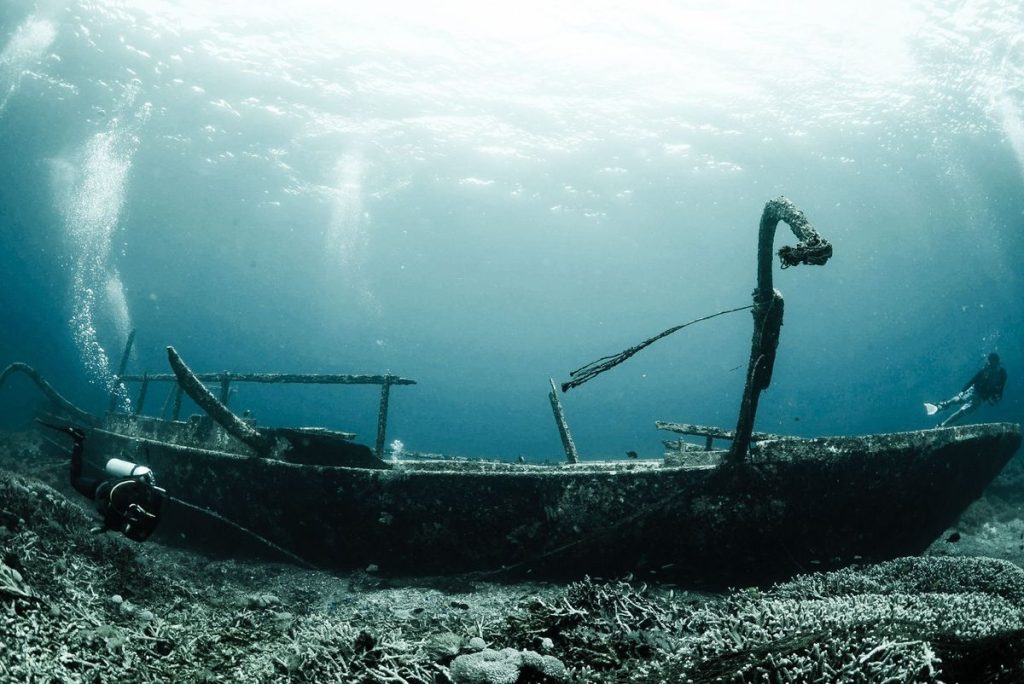
An ancient Roman shipwreck, dating back approximately 2,000 years, has been discovered off the coast of Italy, marking what has been described as an “incredible discovery” by News.com.au. The significant maritime find adds to the historical understanding of ancient Roman seafaring and trade routes in the Mediterranean.
The BBC reported that the discovery was made specifically off the coast of Sicily, an island region of Italy. This detail helps to pinpoint the general area where the centuries-old vessel lay undisturbed for two millennia. Sky News also covered the discovery, confirming the location off the coast of Italy.
Background
Shipwrecks offer invaluable insights into past civilisations, providing a direct glimpse into the technology, economy, and daily life of ancient peoples. The finding of a Roman-era vessel, preserved for around 2,000 years, holds considerable archaeological importance. The Roman Empire, at its zenith, controlled vast territories across Europe, North Africa, and the Middle East, with extensive maritime networks crucial for trade, military movements, and communication.
While specific details about the vessel’s cargo or exact condition have not been widely reported, the mere presence of a Roman shipwreck of this age underscores the scale and ambition of Roman naval activity. Discoveries such as this contribute to the broader tapestry of archaeological knowledge, helping experts reconstruct aspects of ancient life that are not always evident from land-based excavations alone. The longevity of these underwater sites, often shielded from human interference and atmospheric degradation, can result in remarkably well-preserved artefacts.
The waters surrounding Italy, particularly Sicily, have long been known as a rich area for underwater archaeology, due to centuries of intensive maritime traffic and frequent shipwrecks. Each new discovery contributes incrementally to the overall picture, allowing historians and archaeologists to refine their understanding of the ancient world. The “incredible discovery after 2000 years,” as highlighted by News.com.au, refers to the ship’s age, offering a direct link to a pivotal era in human history.
Discovery Details Emerge
Reports from multiple news outlets confirm the discovery of an ancient Roman shipwreck off the Italian coast. According to the BBC, the specific location of the find is off the coast of Sicily. This island, strategically located in the central Mediterranean, was a crucial hub for trade and naval operations throughout antiquity.
The vessel’s age, estimated at approximately 2,000 years, places its sinking firmly within the period of the Roman Empire. During this time, Roman ships, both merchant and military, traversed the Mediterranean extensively, connecting various parts of the empire and facilitating a vast network of trade and communication. While details regarding the type of ship or its contents have not been disclosed in the initial reports, the discovery itself is deemed significant due to its age and historical context.
The mention of an “incredible discovery” by News.com.au suggests that the find is of substantial importance to the field of underwater archaeology. Such discoveries are rare and provide unique opportunities to study ancient maritime technology, trade patterns, and even the daily lives of Roman sailors and merchants. The fact that the shipwreck has remained largely undisturbed for two millennia underscores the potential for well-preserved artefacts and structural components.
The consistent reporting from sources like Sky News and the BBC on a Roman shipwreck off the coast of Italy, with the BBC specifically mentioning Sicily, consolidates the primary factual elements of this news. Without further details from the sources, the focus remains on the age and general location of this significant historical find, which promises to offer new avenues for understanding the vast maritime legacy of the Roman Empire.
FAQ
- Q: Where was the ancient Roman shipwreck discovered?
A: The ancient Roman shipwreck was discovered off the coast of Italy. The BBC specifically reported the location as off the coast of Sicily.
- Q: How old is the shipwreck?
A: The shipwreck is estimated to be approximately 2,000 years old, marking an “incredible discovery after 2000 years” according to News.com.au.
- Q: What makes this discovery significant?
A: The discovery is significant because it provides a direct link to the Roman Empire, offering insights into ancient Roman seafaring, trade, and maritime technology. Its age and the potential for preserved artefacts contribute to its archaeological importance.
- Q: Which news outlets reported the discovery?
A: The discovery was reported by the BBC, Sky News, and News.com.au.
What this means for you
For readers in Oxford and Oxfordshire, and indeed across the UK, the discovery of an ancient Roman shipwreck off the coast of Italy offers a fascinating connection to a shared European history. While geographically distant, the legacy of the Roman Empire profoundly influenced Britain, including its early infrastructure, language, and legal systems. This latest find serves as a tangible reminder of that vast historical reach and the enduring impact of Roman civilisation.
Such archaeological discoveries frequently capture the imagination, offering a window into a bygone era and highlighting the continuous process of uncovering the past. For those interested in history, archaeology, or simply the wonders of exploration, this news underlines the fact that significant historical treasures continue to be found, even after millennia. It reinforces the importance of preserving historical sites and encourages a broader appreciation for cultural heritage.
The reports, while currently limited in detailed specifics, still provide a moment to reflect on the ancient world and the monumental efforts of exploration and excavation that bring these stories to light. It is a piece of global news that resonates with a general curiosity about human history and the mysteries that still lie beneath the waves, connecting us to a much wider narrative of human endeavour and discovery.