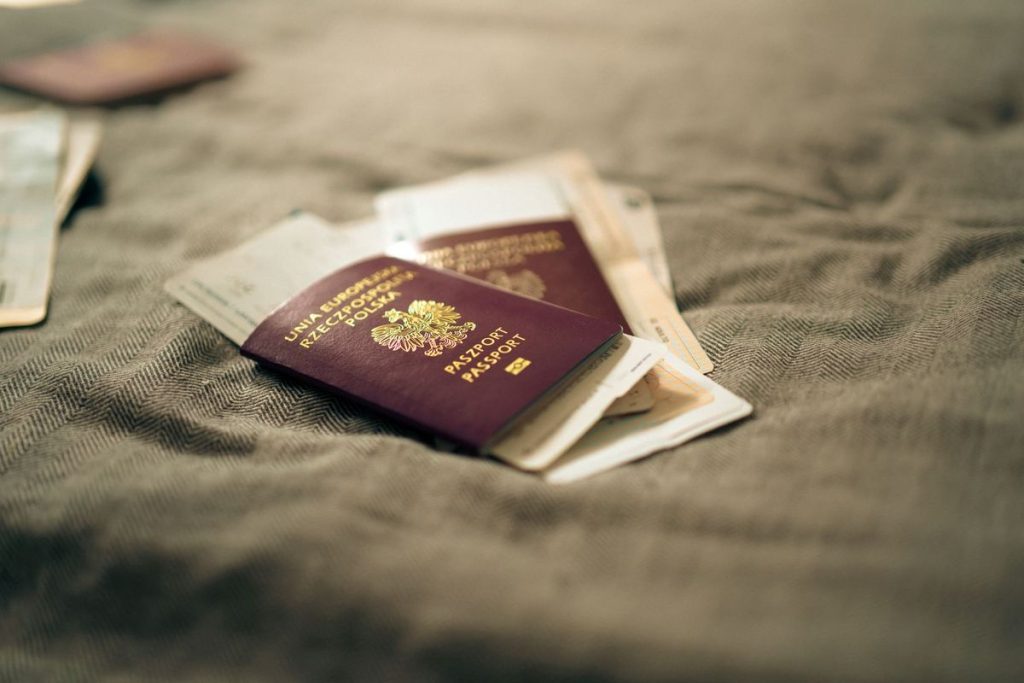
The forthcoming introduction of the European Union’s new Entry/Exit System (EES) has prompted warnings of significant travel delays and “queue chaos” at borders, according to various reports. Airlines such as Ryanair have voiced considerable concern over the new protocols, with some attributing potential issues to a “design flaw” within the system itself.
As the implementation date for the EES approaches, travellers from the UK and other non-EU countries are advised to anticipate changes to their border crossing experience. These warnings highlight a critical period of adjustment for both travel operators and passengers navigating the updated requirements for entering and exiting the EU.
Background
The EES is an automated IT system being introduced by the European Union to register travellers from non-EU countries each time they cross an EU external border. This new system is designed to streamline and enhance border checks for short-stay visitors, effectively replacing the traditional manual stamping of passports.
Its primary aim is to record entry and exit data, which for some travellers may include facial images and fingerprints. While intended to modernise border management, the transition to this automated system has raised questions about its immediate operational readiness and potential impact on travel times, particularly at busy points of entry.
Concerns Over Delays and ‘Design Flaw’
Significant concerns have been voiced regarding the potential for the EES to create substantial delays for travellers. Ryanair, a prominent airline, has issued warnings of impending “queue chaos” once the new EU border system becomes fully operational. According to the BBC, the airline’s apprehension stems from the possibility of prolonged waiting times at airports and other border checkpoints, which could severely impact travel schedules and passenger experience.
Further reports have highlighted a deeper systemic issue. The Times has indicated that a “design flaw” is being blamed for potential “European border chaos” related to the rollout of the EES. This alleged flaw suggests that the challenges may not solely be due to an adjustment period, but could be inherent to the system’s architecture itself. Such claims contribute to the growing unease among travel industry stakeholders and the travelling public, who are preparing for a potentially disruptive shift in border processing.
FAQ
-
Q: What is the EU Entry/Exit System (EES)?
A: The EES is a new automated system being introduced by the European Union for border checks for non-EU travellers, designed to register entry and exit data.
-
Q: What are the main concerns about the EES?
A: Concerns include warnings of potential “queue chaos” and significant travel delays at borders, with reports also pointing to a “design flaw” as a cause for potential “European border chaos.”
-
Q: Which airline has raised specific warnings about the EES?
A: Ryanair has explicitly warned of “queue chaos” resulting from the new EU border system, as reported by the BBC.
-
Q: What can travellers do to prepare for the EES?
A: The BBC has published advice on “three things you can do to stop EU border checks at the airport costing you,” suggesting proactive steps travellers can take to prepare for these new border checks.
What this means for you
For residents across Oxford and Oxfordshire, as well as the wider UK public planning trips to the European Union, the implementation of the Entry/Exit System could significantly alter future travel experiences. The warnings of potential “queue chaos” and delays at airports and other points of entry are particularly pertinent, suggesting that journeys may require more preparation and patience than before.
Travellers are encouraged to stay informed about the latest guidance from airlines and official sources. It will be prudent to allow extra time for processing at borders, especially during peak travel periods, to mitigate the impact of potential delays. Familiarising oneself with any specific requirements or preparatory steps, such as those alluded to by the BBC, could prove beneficial in ensuring a smoother and less stressful journey when travelling to EU destinations.