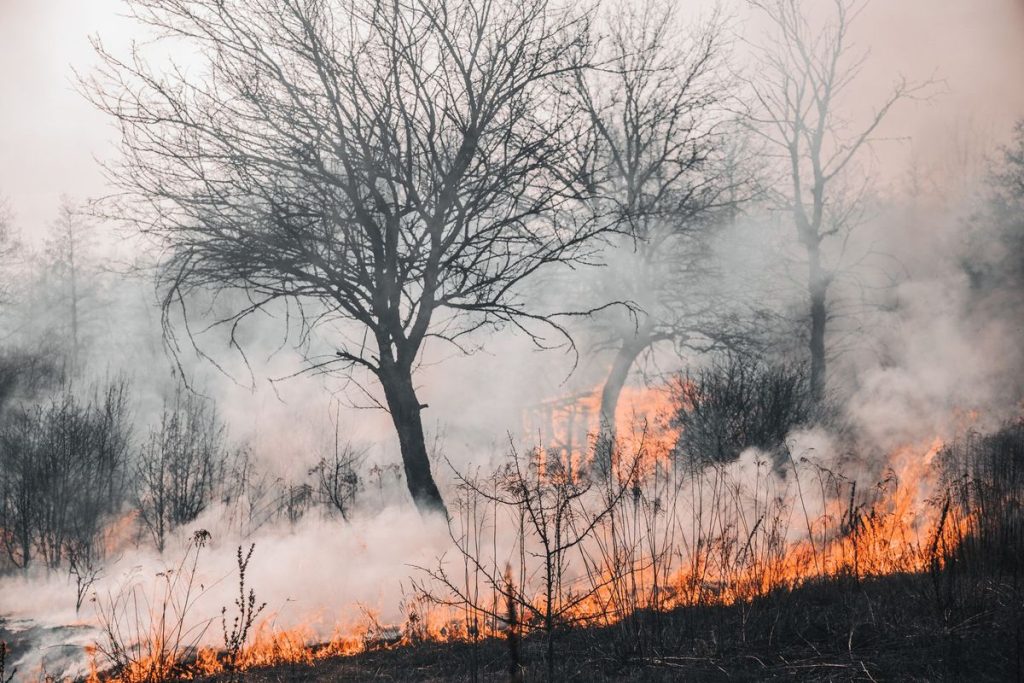
Recent discussions surrounding wildfire management in England have brought the role of government policy into sharp focus, with some reports suggesting a critical view of Whitehall’s approach. The ongoing debate highlights concerns about the nation’s preparedness for increasing wildfire risks.
According to The Telegraph, Whitehall is “turning England into a tinderbox,” a strong claim indicating significant concerns about the effectiveness of current strategies in mitigating wildfire threats across the country. This perspective underscores a broader discussion about how governmental actions or inactions contribute to environmental vulnerabilities.
Background
Wildfires continue to pose a significant challenge across England, prompting various stakeholders to consider comprehensive solutions beyond traditional emergency responses. The scale of the challenge has led to questions about whether existing resources and strategies are sufficient.
The Guardian, in an editorial, has weighed in on the issue, asserting that “firefighters can’t handle this crisis alone.” This view points to the need for a multi-faceted approach that extends beyond the immediate efforts of emergency services, suggesting that preventative measures and broader policy changes are essential.
Addressing Wildfire Risk
In response to the growing awareness of wildfire risks, different approaches to mitigation and prevention are being explored and advocated. One such perspective, highlighted by GOV.UK blogs, focuses on ecological solutions.
Under the title “Fighting Fire with Nature: How Healthy Landscapes Reduce Wildfire Risk,” the Natural England blog discusses the potential of healthy landscapes in reducing the risk of wildfires. This approach suggests that sustainable land management practices can play a crucial role in creating environments less susceptible to large-scale blazes, offering a preventative strategy that complements emergency response efforts.
The contrast between these perspectives—the critical assessment of Whitehall’s current impact and the advocacy for natural, preventative measures—illustrates the complexity of the policy debate surrounding wildfire management in England. It suggests a tension between reactive emergency services and proactive environmental strategies.
Frequently Asked Questions
- Q: What concerns have been raised about Whitehall’s role in wildfire risk?
- A: According to The Telegraph, Whitehall is “turning England into a tinderbox,” indicating concerns about governmental approaches to wildfire management.
- Q: Is it suggested that firefighters can manage the current wildfire crisis alone?
- A: No, an editorial by The Guardian states that “firefighters can’t handle this crisis alone,” suggesting a broader, more comprehensive approach is needed.
- Q: What alternative methods are being discussed for reducing wildfire risk?
- A: GOV.UK blogs highlight “Fighting Fire with Nature: How Healthy Landscapes Reduce Wildfire Risk,” suggesting that healthy landscapes can play a crucial role in prevention.
What this means for you
For residents across Oxford and Oxfordshire, as well as the general UK audience, the ongoing discussions about wildfire risk and governmental policy hold significant relevance. The concerns raised about Whitehall’s impact on England’s vulnerability to wildfires, and the suggestion that firefighters alone cannot manage the crisis, point to a need for collective awareness and potentially evolving strategies.
The emphasis on “Fighting Fire with Nature” through healthy landscapes could signal future policy directions that affect local land management and environmental initiatives. Understanding these national debates can help communities grasp the broader context of environmental resilience and emergency preparedness, which could have implications for local areas and how they adapt to changing climate conditions and associated risks.