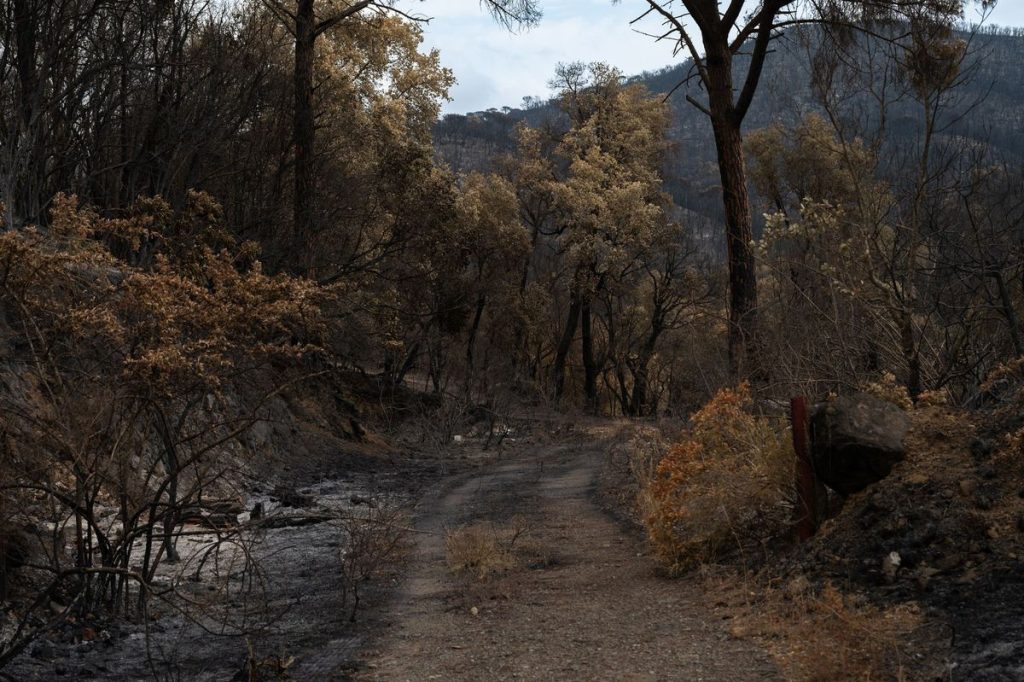
Swathes of the Cairngorms National Park have been left unrecognisable following 12 days of “cataclysmic” wildfires, according to The Guardian. The extensive blazes, which raged for nearly two weeks, have drawn significant attention to the environmental impact on one of Scotland’s most vital natural landscapes, alongside scrutiny of the official response and the profound frustration expressed by local communities.
The aftermath of the fires has sparked widespread concern across the UK, not only due to the scale of the damage but also the governmental handling of the crisis, including a minister’s decision to decline military assistance. Residents affected by evacuation orders have voiced strong feelings of upset and anger, as reported by Sky News, highlighting the human toll of the disaster.
Background
The Cairngorms National Park, a vast and significant natural area in Scotland, became the epicentre of a major environmental incident lasting 12 days. The wildfires, which The Guardian described as “cataclysmic,” swept through large areas, leaving a landscape dramatically altered. The prolonged duration of the fires underscored the challenge faced by emergency services and conservation efforts in containing and mitigating the disaster’s effects on the delicate ecosystem of the park.
Devastation and Official Response
The impact of the fires on the Cairngorms National Park has been described in stark terms, with The Guardian reporting that swathes of the park were left “unrecognisable” after 12 days. This vivid description paints a picture of severe ecological damage, likely affecting wildlife habitats, flora, and the natural beauty for which the park is renowned. The severity of the incident has raised questions about long-term recovery efforts for the affected areas.
Amidst the unfolding crisis, a key point of contention emerged regarding the offer of external assistance. A minister defended the decision to reject help from the UK military to fight the wildfire, a development highlighted by the BBC. This decision, and its subsequent defence, has formed a central part of the public discourse surrounding the management of the emergency.
Community Reaction and Ongoing Concerns
The human element of the crisis has been equally pronounced, with residents expressing significant distress. Sky News reported that locals were “upset and angry” over the evacuation orders issued during the wildfire incident. Such strong sentiments often arise in situations where communities are directly impacted by natural disasters, facing disruption, uncertainty, and potential loss. The need for clear communication and support for those displaced becomes paramount in these circumstances.
The ongoing situation in the Cairngorms, even after the main fires were brought under control, continues to be a point of public awareness. For instance, an earlier incident saw a flare-up, prompting public warnings, as covered by Oxford Reporter’s “Cairngorms Wildfire Sees Flare-Up, Public Warned”. These recurrent challenges underscore the persistent vulnerability of natural landscapes to fire and the importance of preparedness and rapid response strategies.
FAQ
- Q: How long did the Cairngorms wildfires last?
- A: The wildfires in the Cairngorms National Park raged for a period of 12 days, causing extensive damage across the region.
- Q: What was the extent of the damage to the park?
- A: According to The Guardian, swathes of the Cairngorms were left “unrecognisable” after the fires, which were described as “cataclysmic.”
- Q: Was military assistance offered to help fight the fires?
- A: Yes, UK military help was offered, but a minister defended the decision to reject this assistance, as reported by the BBC.
- Q: How did local residents react to the situation?
- A: Residents in the affected areas were reported by Sky News to be “upset and angry” over the evacuation orders issued during the wildfires.
What this means for you
The “cataclysmic” wildfires in the Cairngorms National Park serve as a significant news story for audiences across the UK, including Oxford and Oxfordshire. While geographically distant, the severe environmental impact on one of the country’s cherished national parks resonates nationally, highlighting the increasing vulnerability of natural landscapes to extreme weather events. For residents of Oxford and Oxfordshire, this event underscores the broader challenges facing environmental conservation and emergency response within the UK.
The discussions surrounding the official response, including ministerial decisions regarding assistance and the strong reactions from affected communities, provide a national perspective on how authorities manage such large-scale emergencies. It encourages all UK citizens to consider the implications of climate change on natural habitats and the importance of robust disaster preparedness strategies. Understanding these events fosters a greater appreciation for national parks and the collective responsibility in protecting them.